

If you are a shipper, carrier, or logistics professional, you know that the supply chain is never truly quiet. Just when we thought 2026 was going to bring a return to stable, predictable energy prices, geopolitical events threw a wrench into the forecast.
At the start of the year, industry experts were predicting crude oil to hover comfortably between $50 and $60 per barrel. Instead, the global supply chain was hit with a massive energy shock. Today, navigating transportation costs requires a deep understanding of not just global oil markets, but the highly nuanced US domestic freight landscape.
In a recent episode of the Meet Me for Coffee podcast, host Samantha Jones sat down with Matt Minster, Chief Economist at Breakthrough. They discussed the turbulent state of global energy markets, the hidden factors driving up diesel prices, and exactly what these dynamics mean for the broader truckload environment.
Here is a breakdown of what is actually happening in the market and how your business can adapt.
To understand the current state of freight, you have to look at the waterways. The massive geopolitical disruptions in the Middle East—specifically the bottlenecks at the Strait of Hormuz, the Red Sea, and the Bab-el-Mandeb Strait—have severely limited the flow of energy products.
Because this is a supply-side shock, it is incredibly difficult to forecast. It isn’t a matter of fluctuating consumer demand; it is a binary issue of whether ships can safely pass through critical global choke points. As vessel flows through these regions drop, the price of crude oil inevitably spikes.
We’ve seen crude oil shoot up to around $85 per barrel this year. But for those operating in the freight and logistics space, looking solely at crude oil is a mistake. The real pain point lies in the specific refined products that power our supply chain, particularly low-sulfur fuels.
When you look at your transportation variable costs, the price of diesel is likely your biggest headache. However, to forecast your expenses accurately, you need to "un-numb the numbers" and look past the headline price of crude oil.
In a normal market, about half the cost of a gallon of diesel is driven by the underlying cost of crude oil. Another 15% goes to taxes, with the remainder split between distribution costs and a "refining crack"—the premium charged for manufacturing diesel as a unique product from crude oil.
Right now, the market is anything but normal. The refining premium for diesel has skyrocketed. In fact, diesel commodities futures are trading at significant premiums. Why? Because diesel is facing a structurally tight market.
During the pandemic, gasoline demand plummeted due to remote work, causing refiners to lower their output. But freight demand—and therefore diesel demand—stayed robust. Ever since, diesel has been fighting an uphill battle.
Add to this the fact that Russia recently halted diesel exports, and the US is now acting as the swing supplier for the world. We are currently exporting a record high of nearly two million barrels of diesel a day to markets like Latin America and Europe. This unprecedented export volume leaves our domestic supply incredibly tight and highly sensitive to any disruptions.
While energy markets are in flux, the US domestic freight market is experiencing its own unique set of challenges.
Currently, we are seeing a stabilization in freight volumes, with tonnage remaining relatively flat year-over-year. However, flat volume doesn't mean easy operations. The underlying costs to operate a fleet have increased across the board. From the cost of labor and new equipment to rising insurance premiums and tariffs on trailer materials like aluminum, carriers are feeling the squeeze.
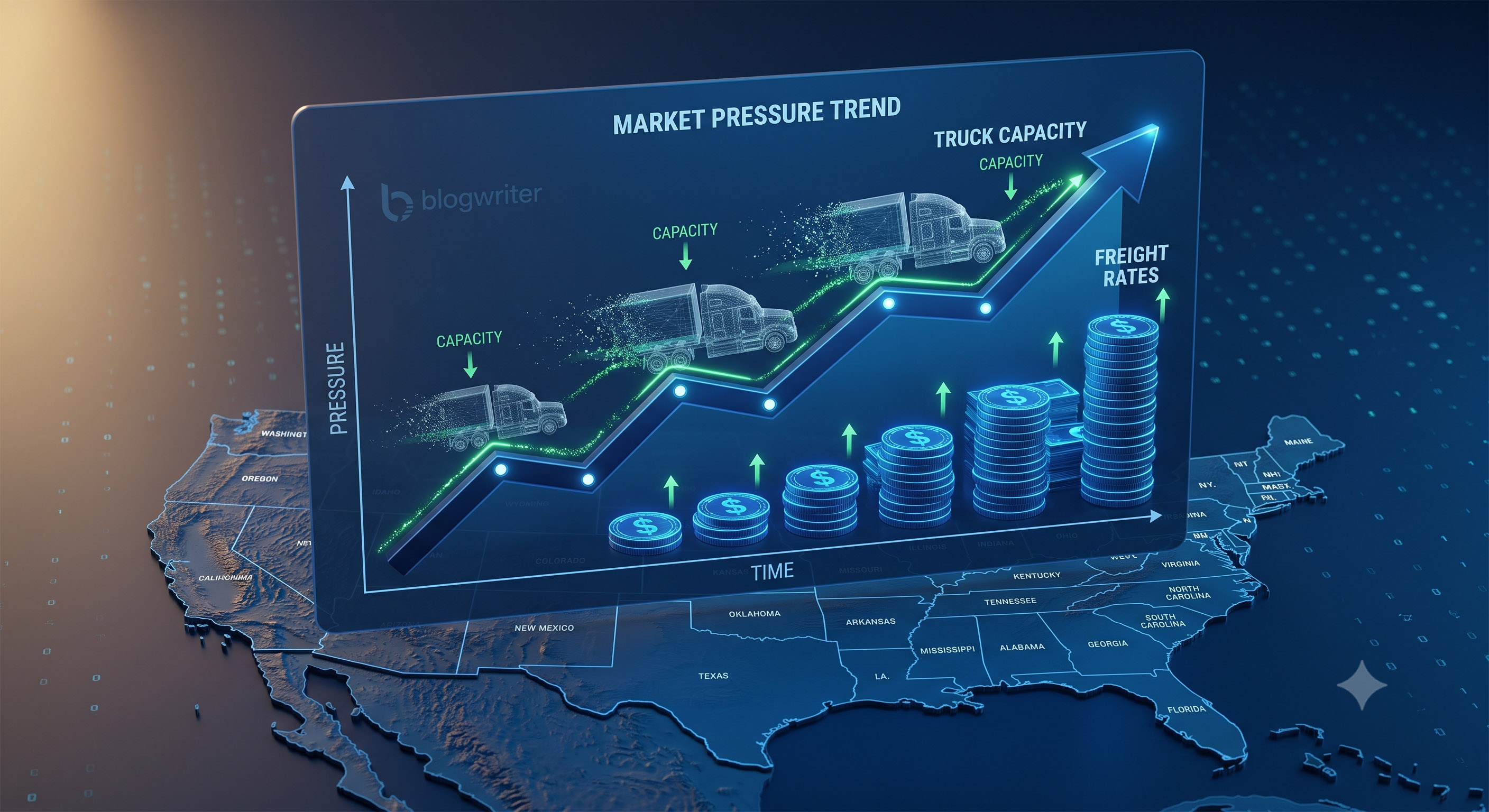
This financial pressure has led to significant attrition among existing fleets. Furthermore, policy changes and crackdowns on non-domiciled drivers have tightened capacity even further. The result? A highly supply-driven market where securing reliable capacity requires strategic foresight.
With fuel prices elevated and capacity tight, what can shippers do to protect their margins and maintain efficiency? Here are three actionable strategies derived from our industry experts.
Despite the market volatility, the smartest shippers are sticking to their RFP plans. While tender acceptance rates dropped significantly earlier this year, running highly structured, data-driven procurement events is still the best path forward.
Double down on getting to know your carrier partners. Ensure they are the right fit for your network, and utilize advanced technology to make near real-time pricing decisions. The focus right now should be on network efficiency rather than simply chasing the lowest spot rate.
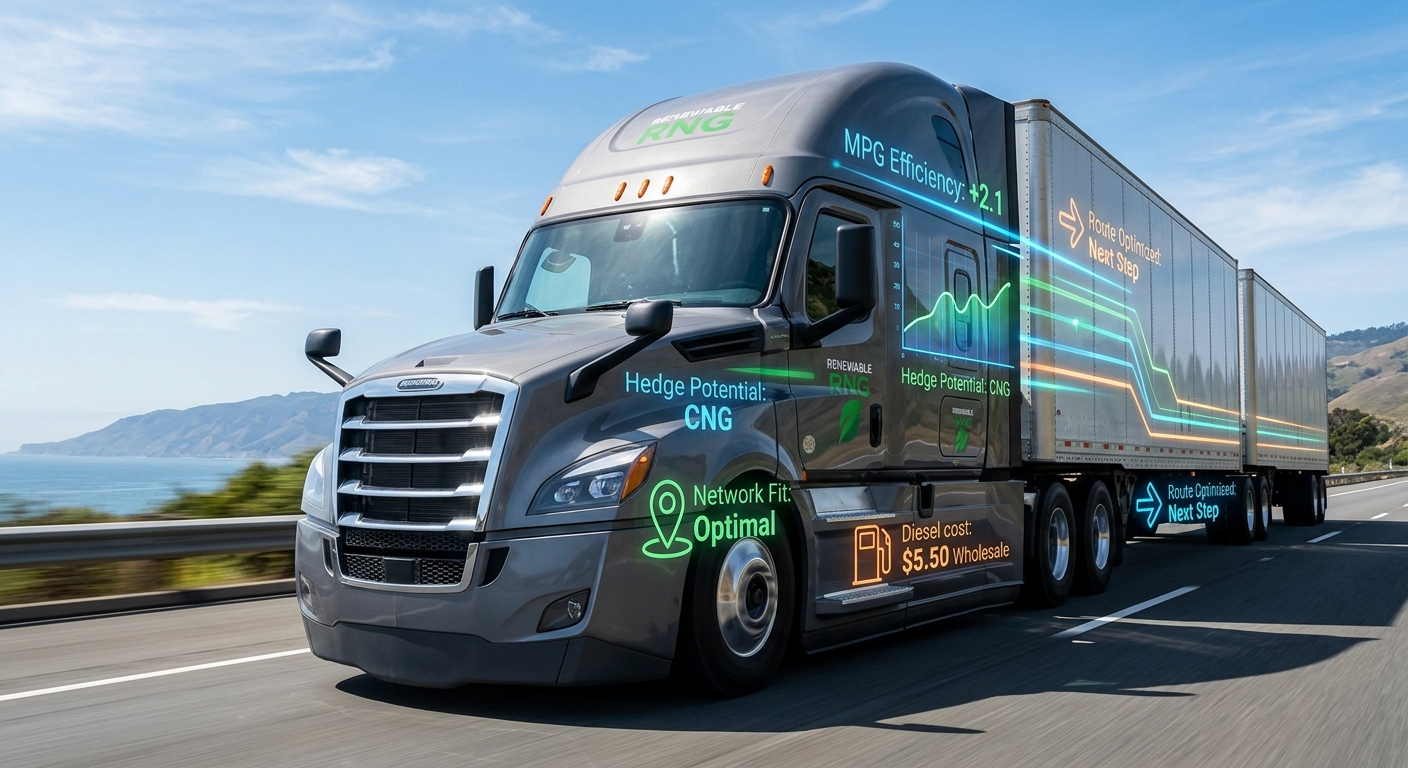
If you are looking for a natural hedge against the volatility of diesel, look toward alternative energies. Compressed Natural Gas (CNG) and Renewable Natural Gas (RNG) are currently offering significant savings compared to wholesale diesel.
Additionally, pay attention to SmartWay scores during your carrier selection process. The difference between a top-tier SmartWay carrier and an unranked one can be nearly two miles per gallon. When diesel is sitting at high wholesale prices, avoiding those wasted gallons has a massive impact on your bottom line.
While still on the horizon, the conversation around autonomous vehicles is heating up. With some major fleets facing driver churn rates nearing 100%, the logistical strain of managing human capital is becoming unsustainable. Combined with the push toward electric trucks, autonomous driving technology presents a compelling future solution to current capacity and efficiency headwinds.
The defining characteristic of 2026 is unpredictability on the supply side. To succeed, you must broaden your perspective. Stop relying solely on the price of crude oil to dictate your logistics budget, and start analyzing the specific product cracks and alternative fuel options available to you.
The freight market changes every few months. Ensure your data sources don't go stale, keep your strategies flexible, and prioritize strong carrier relationships.
Want to stay updated on the latest shifts in the supply chain and freight markets? Listen to the full episode of Meet Me for Coffee on Apple Podcasts or Spotify, and connect with our guest, Matt Minster, on LinkedIn to continue the conversation. Let us know your thoughts in the comments below!


This month's newsletter explores the "K-shaped" US economy: a booming, AI-driven stock market for asset owners contrasted with the everyday squeeze of rising living costs for average households. We break down the latest data on wages, inflation, inventory-to-sales ratios, the Fed's September meeting, and truckload rates. Read on and share your insights in the comments!
Read MoreThis month's Newsletter is a written format of the Meet Me For Coffee Podcast Panel. If you need strong sources to cite in your planning and research these days, I'd highly recommend giving this a read!
Read MoreThe June Truckload Market Update is out. It covers corporate earnings and profits, consumer spending, inflation, wages, manufacturing, and truckload rate environments.
Read More